The UAE is once again setting the global benchmark in innovation.
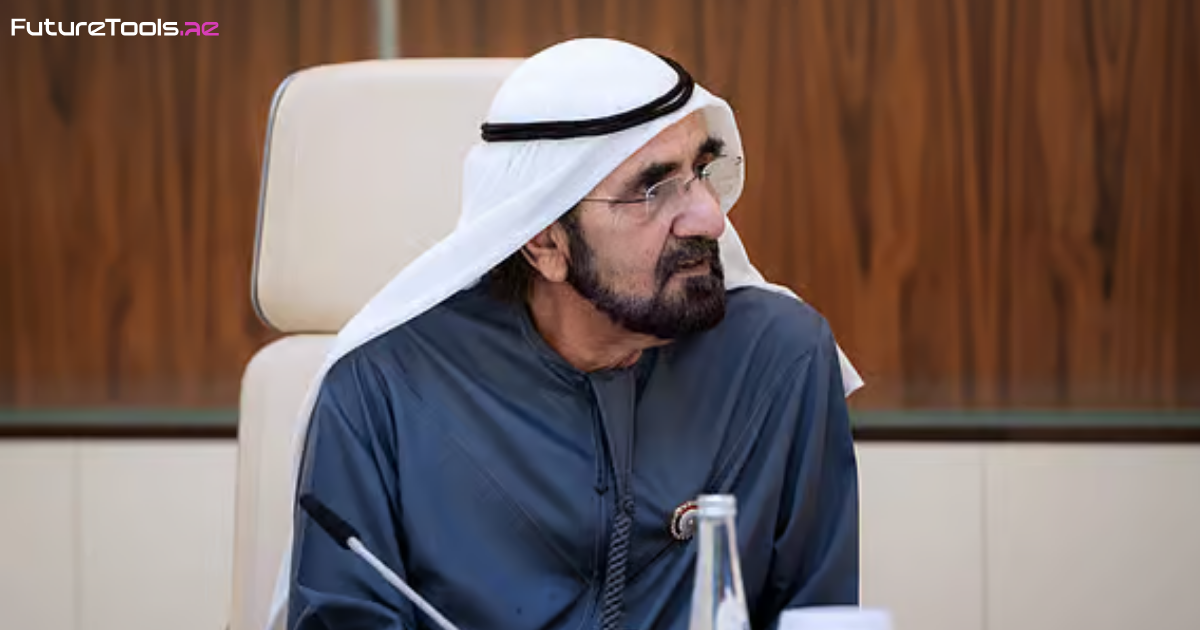
In a major announcement, Sheikh Mohammed bin Rashid Al Maktoum revealed that 50% of UAE government services will be powered by AI agents within the next two years. This isn’t just another tech upgrade it’s a complete transformation of how governments interact with people.
From paperwork to approvals, the future of governance is becoming faster, smarter, and AI-driven.
Let’s break it down.
AI agents are not just chatbots. They are intelligent digital systems capable of:
Imagine applying for a license, renewing documents, or resolving issues without waiting in queues or dealing with delays.
That’s exactly where the UAE is heading.
The UAE has always been ahead when it comes to digital transformation. But this move is strategic.
Key Goals Behind This Shift:
This initiative aligns with UAE’s broader vision of becoming a global AI powerhouse.

This isn’t just about government offices—it’s about everyday life.
Here’s what citizens can expect:
Traditional systems rely heavily on manual processes. The UAE is flipping that model.
Instead of:
We’re moving toward:
This shift will redefine public service efficiency globally.
While the vision is exciting, it’s not without concerns:
The UAE will need to ensure a balance between automation and accountability.
This move isn’t just for the UAE it’s a signal to the world.
Countries worldwide are watching closely. If successful, this could:
At FutureTools, we track innovations exactly like this.
If you’re curious about:
Explore more insights here:
We break down complex tech into simple, actionable insights so you stay ahead.
The UAE isn’t just adopting AI—it’s redefining governance.
A future where:
…is no longer a concept. It’s happening now.
And this is just the beginning.
Would you trust AI agents to handle your government services?
Let’s talk
And don’t forget to explore more at FutureTools to stay ahead of the future
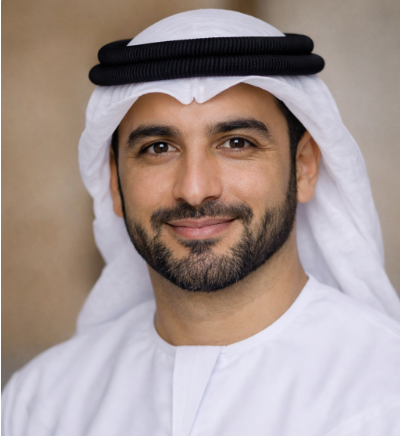
Ahmed Al-Farsi highlights standout AI innovations, startups, and use cases, spotlighting how emerging technologies are shaping businesses, creators, and the future of work.