AI moved on three fronts today: governance, hardware, and intellectual property. Google DeepMind’s CEO put a real proposal on the table for policing frontier models, Apple’s lawsuit against OpenAI is now shadowing OpenAI’s first hardware device, and Microsoft’s CEO said the quiet part out loud about who gets to learn from whom in AI. Here’s what happened in AI today, why it matters, and what to do with it — and if you want the full daily rundown as it breaks, FutureTools publishes fresh coverage like this every day.
Google DeepMind’s Demis Hassabis published a proposal for a U.S.-led body that would safety-test advanced AI models before they reach the public, effectively asking the government to adopt a formal rulebook after a month of AI policy made on the fly.
The details:
Quick takeaway: This is the most concrete AI oversight proposal a lab leader has put forward, but the same question always follows: can a body funded by the labs it’s supposed to police, and answerable to a government that just got a taste of AI regulation power, actually stay independent?
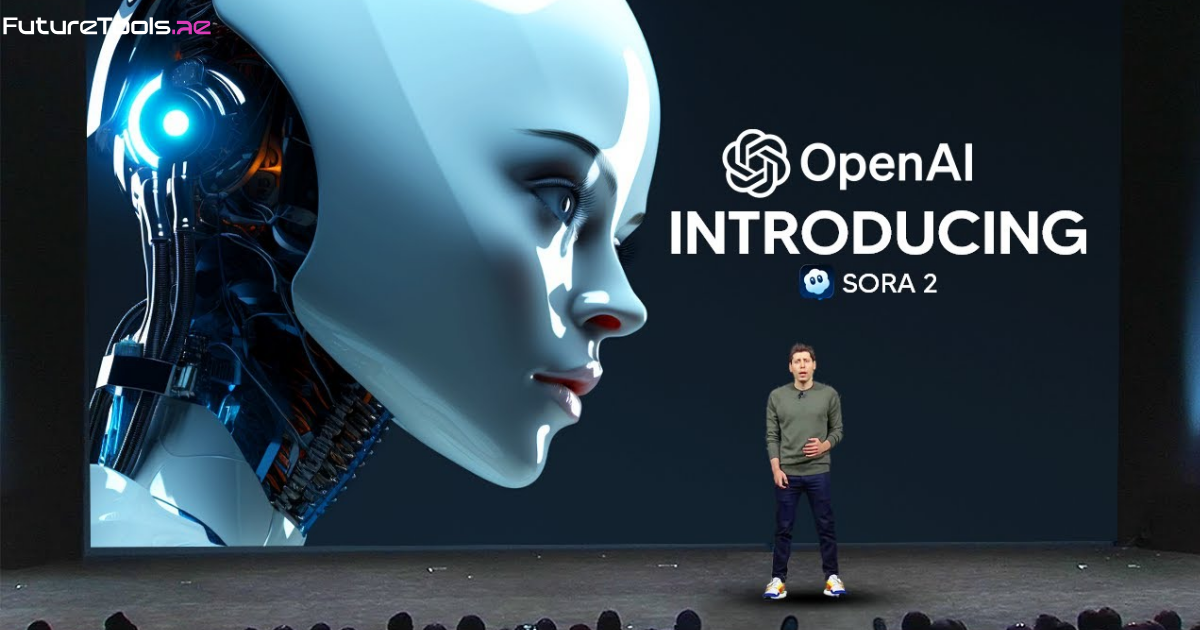
A new Bloomberg report describes OpenAI’s first hardware product, designed with Jony Ive, as a screen-free, battery-powered AI speaker built around a humanlike personality — and Apple’s trade-secrets lawsuit is now hanging over its path to release. That lawsuit follows OpenAI’s aggressive AI-hardware push, a category FutureTools has been tracking closely since tech leaders first started sketching a post-smartphone future.
The details:
Quick takeaway: Apple’s suit centers on former Apple employees who joined OpenAI’s hardware team, and it’s now a real variable in whether this device ships on schedule. Whatever the outcome, a screen-free speaker is a much smaller bet than the “new computing paradigm” OpenAI has been teasing.
Microsoft CEO Satya Nadella waded into the fight over model distillation, arguing that labs can’t defend broad rights to train on the public internet and then clamp down when competitors learn from their models’ outputs.
The details:
Quick takeaway: Fraudulent, industrial-scale scraping is a real problem worth taking seriously. But the labs built their own models on public books, articles, code, and images they mostly didn’t license individually — so “learning from everyone else drives innovation, learning from us threatens it” is a hard argument to make cleanly.
Today’s stories share a theme: the AI industry is trying to write its own rules faster than anyone else can write them for it. DeepMind wants to define oversight before Washington does. OpenAI wants to define the next device before Apple’s lawyers do. And the frontier labs want to define fair use of their models before regulators (or competitors) settle it for them. Expect all three fights to still be running by the end of the year.
Explore more on FutureTools:
We’re always looking for sharp, well-researched contributions on AI tools, trends, and real-world workflows. If you have a story or guide our readers would find genuinely useful, check out our guest post guidelines and write for us.

Alex reviews AI tools hands-on, testing features, pricing, and real-world use cases to help creators, founders, and teams choose the right tools with confidence.