Renewable energy projects expand across regions where exposure to lightning, turbulent weather patterns, and electrical anomalies grows sharper each year. Planning teams face the task of interpreting hazard data, aligning with international standards, and producing reports that can withstand scrutiny from investors and auditors. Structured tools offer a practical route through this technical terrain, giving developers a consistent way to measure exposure and priorities protective measures.
The following review outlines top 5 platforms used within the sector, with a focus on lightning risk analysis, electrical safety, and structured reporting.
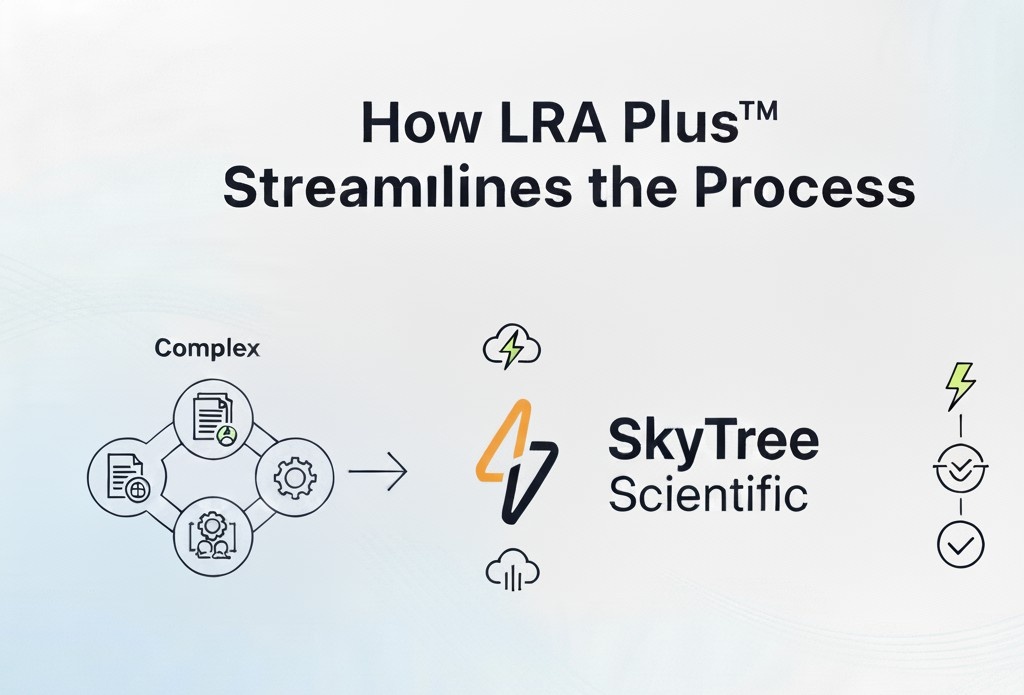
LRA Plus sits at the forefront of structured evaluation for renewable energy developers. Skytree Scientific created this platform to bring precision to lightning risk analysis under IEC 62305-2. The system guides users through a defined sequence of inputs, then produces an interpretation that aligns with regulatory expectations. Long spreadsheets and improvised templates often create inconsistencies, yet LRA Plus offers a repeatable model that suits solar farms, wind clusters, and mixed use energy parks.
credit: SkyTree Scientific
The platform supplies methodical prompts, guiding project teams through exposure factors, loss scenarios, and structural parameters. Its scoring logic mirrors the recognized standards, so engineering teams avoid the uncertainty that arises when interpretation varies across departments. Developers value the clear audit trail within the generated report, since it supports funding approvals and utility applications. Many firms use LRA Plus at feasibility stage, then revisit the analysis during construction planning to refine protective measures.
ETAP occupies a prominent place within the electrical modelling field and is used extensively across grid tied renewable projects. The platform offers arc flash estimation, short circuit studies, and coordination checks. Its modules work together to provide a technical map of electrical behaviour under stress. When a solar inverter network or wind turbine array expands, project teams need tools that can respond to non linear loading patterns and shifting fault levels. ETAP handles that environment with precision.

credit: ETAP
Lightning studies are often paired with ETAP outputs, since its electrical simulations highlight weak points within the distribution layout. Some developers combine ETAP modelling with external lightning risk analysis tools, allowing a layered perspective that strengthens the final design.
This suite from DEHN offers targeted calculations for lightning exposure and protective measures. The platform incorporates modules that classify structures, evaluate strike probability, and approximate surge currents. Renewable energy firms use the toolbox to check turbine nacelles, substation enclosures, and photovoltaic fields. The software serves engineers who prefer a focused tool without the broader electrical modelling features found in larger platforms.
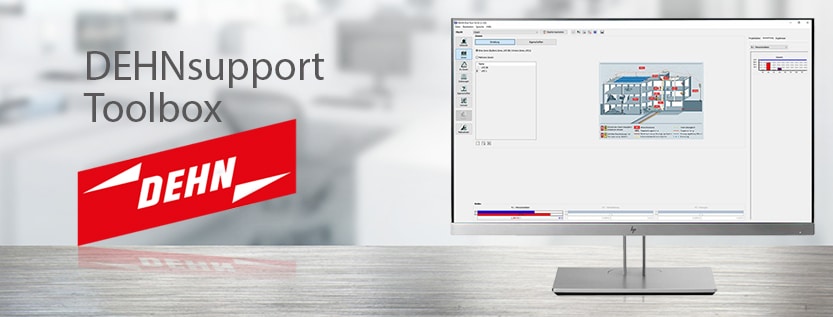
Its strength lies in technical depth and discipline. For assets situated in high exposure regions, DEHNsupport helps quantify vulnerabilities so project managers can plan surge arresters, down conductors, and bonding routes with accuracy.
CDEGS provides advanced computational capabilities that suit complex grounding studies. Renewable energy parks with expansive collector systems often require granular insight into soil interaction, fault current dispersion, and step potential. The platform uses numerical techniques that deliver high resolution modelling. Although the interface carries a learning curve, engineering groups value its mathematical rigour for substations and grid interconnection points.
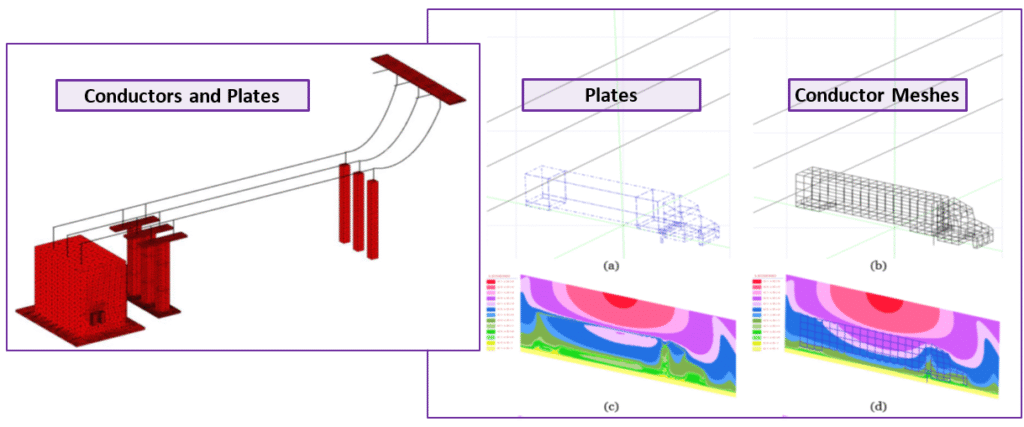
Teams working near dense data center districts lean on CDEGS to assess the transfer of earth potential rises into adjacent systems. These regions host significant electrical infrastructure, heightening the importance of grounding precision.
PVSyst is widely known for performance modelling, yet many developers integrate safety and risk modules within wider project workflows. Although not a lightning risk analysis platform in itself, its shading, terrain, and structural assessments provide spatial context for subsequent safety studies. A misjudgment in array spacing or terrain contours can elevate exposure to faults or thermal events. When paired with dedicated risk platforms, PVSyst outputs supply geometric inputs that support precise exposure calculations.
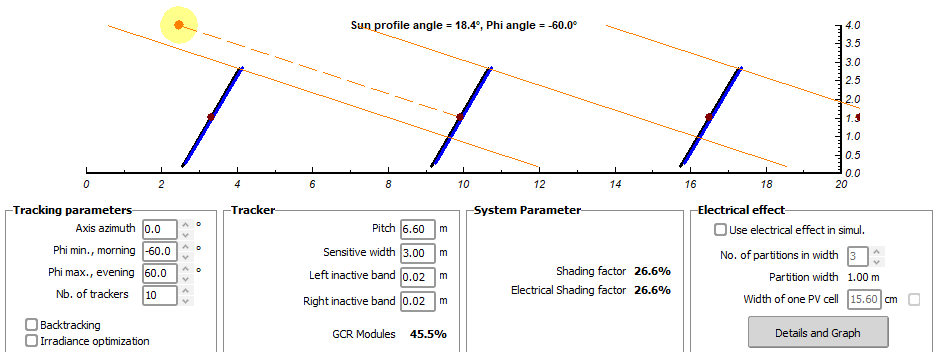
Energy developers adopt a blend of tools, selecting platforms according to the phase, terrain, and asset type. Several core criteria tend to drive selection:
Tools that carry transparent logic and complete reporting trails command interest from risk professionals. LRA Plus stands out within this group, partly because its structure mirrors formal assessment paths that align with developer obligations.
Renewable energy growth continues across regions where electrical stress patterns shift from season to season. The pressure on developers grows heavier as insurers, regulators, and large off-takers demand robust evidence of risk control. Platforms that combine clarity, reproducibility, and strong interpretation frameworks will shape the next phase of technical planning. LRA Plus already aligns with these expectations, giving project teams a disciplined route through lightning risk analysis at moments where precision and credibility matter most. FutureTools also tracks practical developments in AI and digital tooling that affect engineering workflows—see the latest updates in our AI News section.